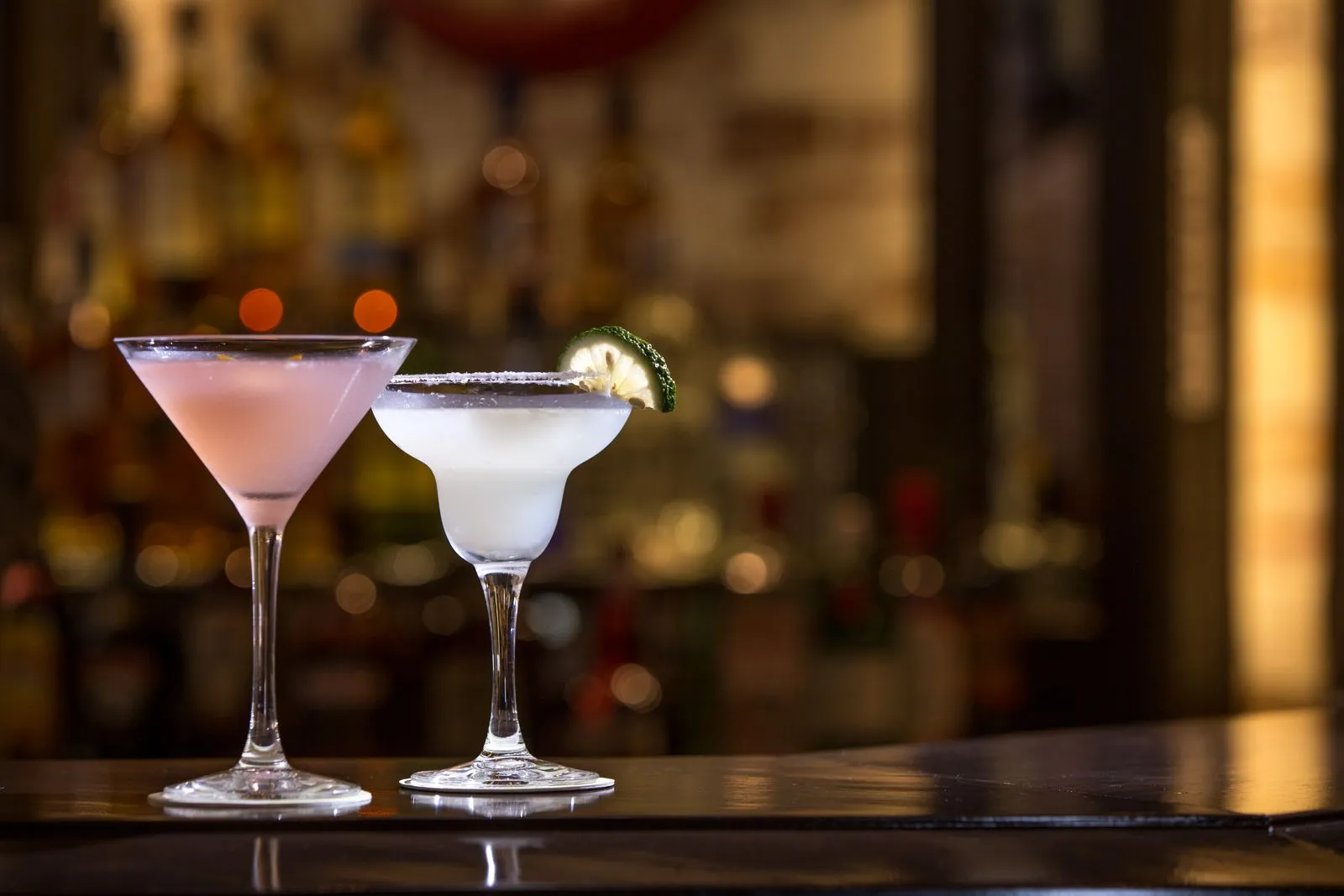
A cocktail menu can feel hard to navigate when names and ingredients are unfamiliar. Start with the flavors you already enjoy: a crisp, tart drink, something smooth and sweet, or a bold spirit-forward pour. Most cocktails balance four main elements: spirit, sweetness, acidity, and bitterness. Knowing what each contributes helps you describe your preferences and make a more confident choice, whether you’re ordering at a bar or mixing a drink at home.
Start With the Spirit
The base spirit gives a cocktail much of its character. Vodka is generally neutral, so other ingredients stand out. Gin brings botanical notes that can taste herbal, citrusy, or floral. Rum may offer light, grassy, or rich flavors, while whiskey often adds warmth and notes of grain, spice, or oak. Tequila and mezcal can bring earthy, peppery, or smoky qualities.
Think about spirits you already like, but remember that the other ingredients can change how they taste. If you prefer a drink where the base spirit is easy to notice, ask for a spirit-forward cocktail. If you want a gentler introduction, look for a longer drink with soda, juice, or other mixers.
Find Your Sweetness Level
Sweet ingredients soften alcohol’s bite and add body. They may include simple syrup, liqueurs, fruit juice, or sweetened wine. A sweeter drink can feel smooth and rounded, but sweetness varies: a hint of syrup balances sharp flavors, while a liqueur-led recipe may taste distinctly rich or dessert-like.
If you enjoy sweet flavors but don’t want a heavy drink, ask for a balanced option with citrus or soda. If you prefer less sweetness, say so when ordering. A bartender can often suggest a drier style or adjust the balance when the recipe allows.
Use Acidity for Freshness
Acidity usually comes from citrus, such as lemon or lime, or from ingredients like vinegar-based shrubs. It adds a bright, mouthwatering edge and keeps sweet flavors from feeling cloying. Drinks with a clear citrus note often taste crisp and lively, especially when served cold.
For a refreshing, tart profile, look for words such as sour, collins, or spritz on a menu, then check the ingredients because recipes vary. If sharp flavors aren’t for you, choose a drink with less citrus or more sweetness. You can also ask how tart the bartender’s recommendation is.
Decide How Much Bitterness
Bitterness adds depth and can make a cocktail taste dry, herbal, or complex. It may come from bitter liqueurs, tonic water, aperitifs, or ingredients such as citrus peel. A little bitterness can balance sweetness; a more prominent bitter note becomes a defining feature of the drink.
If you enjoy flavors like espresso, dark chocolate, tonic, or bitter greens, you may like cocktails with amaro or aperitif-style ingredients. For a softer profile, ask for something less bitter and more citrus-forward or fruit-led. When in doubt, ask whether bitterness is subtle or prominent before ordering.
To find a cocktail you’ll enjoy, describe the spirit you like and whether you want the drink sweet, tart, bitter, or balanced. Those simple preferences give a bartender a useful starting point, even if you don’t know the cocktail names. At Juniper Room, share what you usually enjoy and ask for a recommendation that fits.